
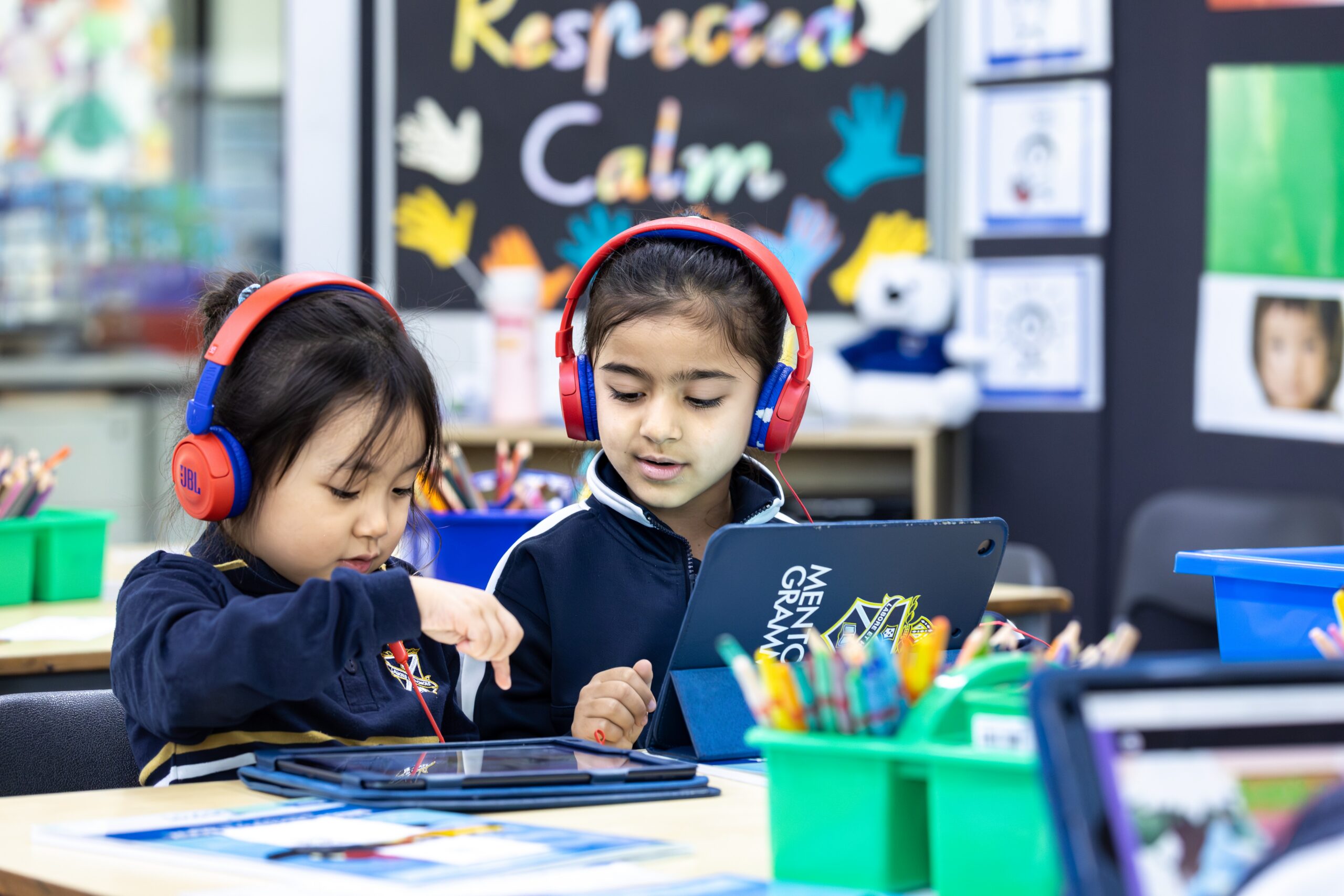
20 Years of Coeducation ‘20 Stories’
As Mentone Grammar celebrates ‘20 Years of Coeducation’, we acknowledge not just the structural and cultural evolution of our School, but the evolution of learning itself as we bear witness to a world that has changed more rapidly and dramatically over the past 20 years than at any other time in human history.
We are currently living through the Fourth Industrial Revolution, an era defined by artificial intelligence, automation, and a level of global connectivity that influences every facet of our lives.
Twenty years ago, smartphones didn’t exist. Social media was an emerging idea and cloud computing, artificial intelligence, and virtual reality were all in their infancy. Today, we carry more computing power in our pockets than entire governments had access to a generation ago. Algorithms now shape our online experiences, with virtual reality, data analytics, and automation redefining the very nature of work… and education.
For schools, these changes have brought both incredible opportunities and profound challenges. The role of the teacher has changed from being the ‘keeper of knowledge’ to a guide, mentor, and curator of learning experiences. Technology may be able to deliver information in an instant, but it can’t replace the human skills of interpretation, ethical judgement, empathy, and collaboration.
The Paradox of the Digital Native
Our students are growing up in a world of screens. As digital natives, they’re incredibly comfortable using technology, but comfort doesn’t always equal depth. The challenge we face is ensuring that in a world of instant answers, our students don’t lose the ability to ask powerful questions.
In an online world filled with misinformation, clickbait, and unverified opinions, our students need more than digital fluency; they need critical literacy to evaluate, reflect, and build knowledge. We know that literacy is the fundamental currency of learning and the key to comprehension, communication, and connection.
Being literate means being able to interrogate sources, evaluate credibility, understand nuance, and engage in thoughtful and respectful dialogue. It means recognising that not all information is truth, and that truth is often buried under layers of opinion and bias. With AI and social media algorithms increasingly feeding us ‘manipulated’ content, the risk of misinformation and unconscious bias is very real, especially for our young people who are still forming their own views of the world.
Balancing Innovation with Intention
As educators, we must embrace innovation, but with meaning and purpose. We must leverage technology to spark curiosity and connection but most importantly create learning environments that put literacy and humanity at the centre of everything we do. In this way we can empower our students to be resilient, creative, ethical thinkers who can thrive, not just in future jobs, but in their relationships and communities.
As Mentone Grammar has continued to evolve with each new generation, today our priority is to prepare our students for an unpredictable future with the tools to think, question, and adapt.
The Fourth Industrial Revolution is here, and the pace of change will continue to accelerate. But in the midst of all this transformation, one truth remains: literacy empowers, and education, at its core, remains a profoundly human endeavour.
Let’s keep it that way!